PLATO II
2026
Format 1: 202 x 132 cm / 79.5 x 52 in, edition of 6 + 2 AP
Format 2: 102 x 67 cm / 40.2 x 26.3 in, edition of 6 + 2 AP
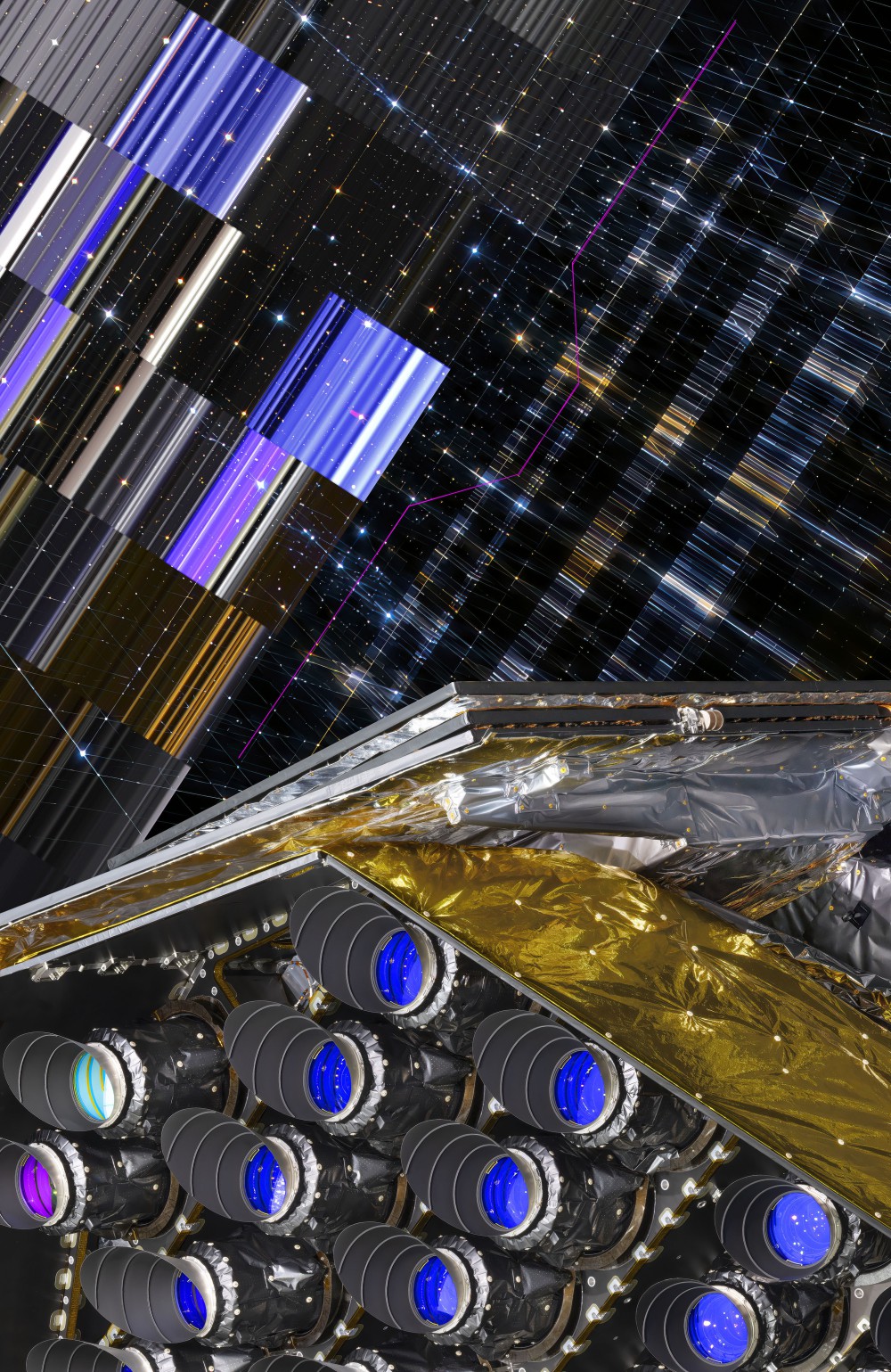
Hybrid photography, archival pigment print, aludibond, diasec, custom-made aluminium frame
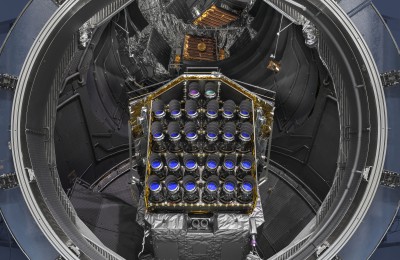
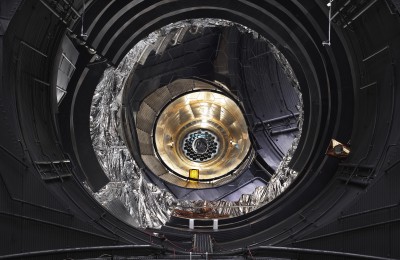
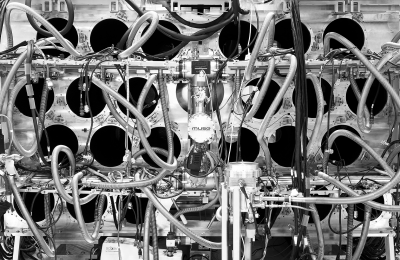
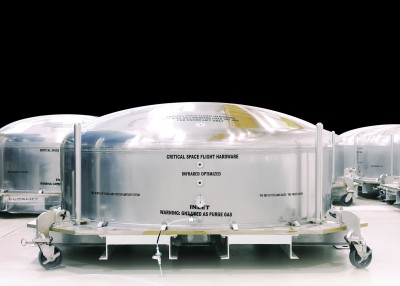
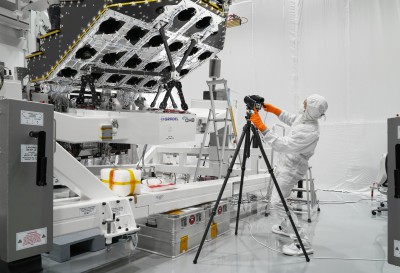
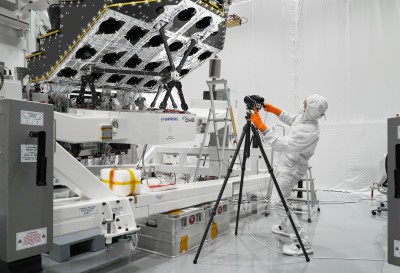
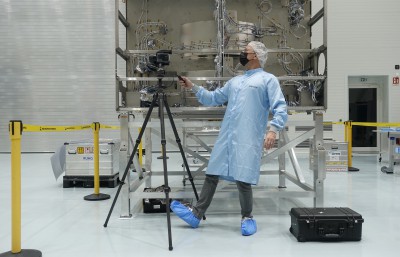
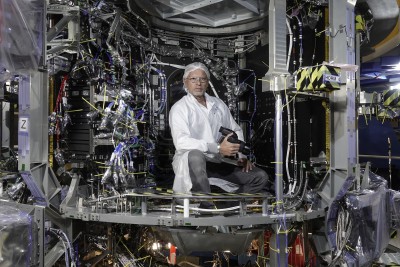
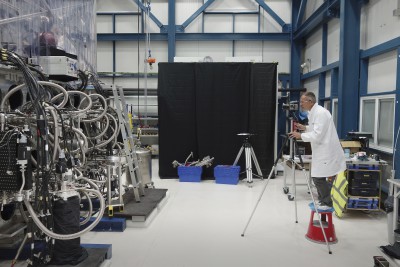
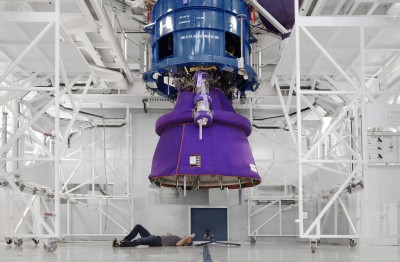
The PLATO mission is part of the European Space Agency ESA’s Cosmic Vision programme. The space telescope was designed and built by OHB Bremen to detect and characterise Earth-like exoplanets, particularly those orbiting Sun-like stars within or near their habitable zones. Over the course of the mission, more than 200,000 stars are expected to be studied. At its core are fundamental questions: How do planetary systems form and evolve? Under what conditions can potentially habitable worlds emerge? And is Earth unique, or are there comparable planets elsewhere in our galaxy? PLATO has an exceptionally large field of view. An array of 26 highly sensitive cameras observes vast fields of stars, detecting even the slightest variations in their brightness. When a planet passes in front of its host star, it briefly dims the star’s light. Through this so-called transit method, a planet can be detected without ever being directly visible. Rather than being imaged itself, the celestial body is revealed indirectly through the minute, temporary decrease in starlight. What matters, therefore, is not “seeing” in the classical sense, but an algorithmic perception of deviations – the detection of planets through minute disruptions in the regularity of light.
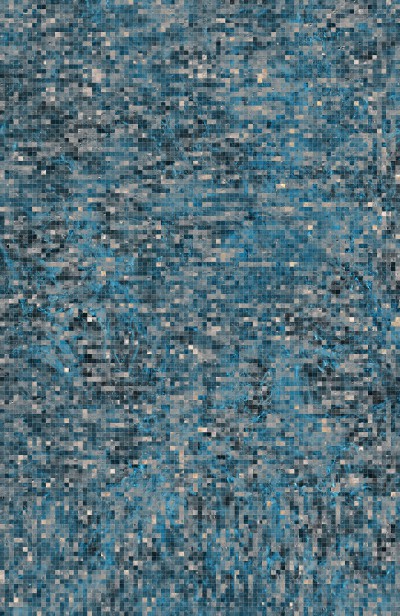
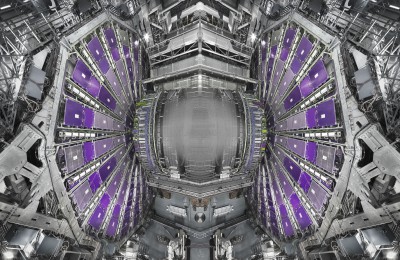
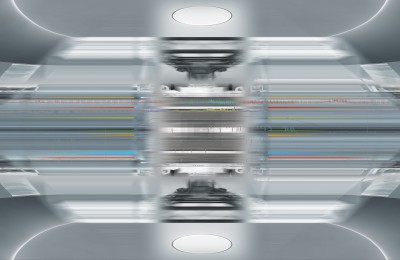
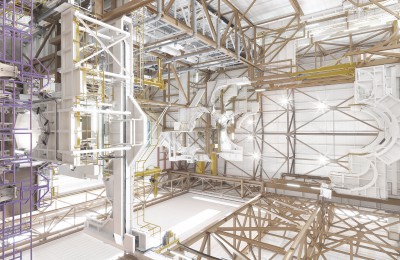
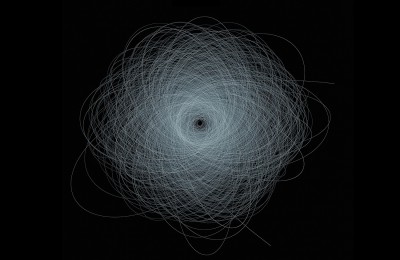
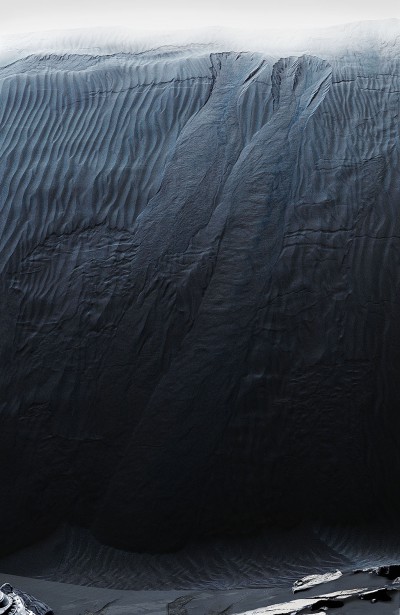
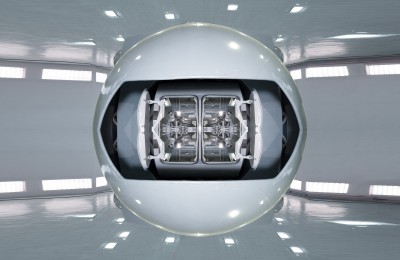
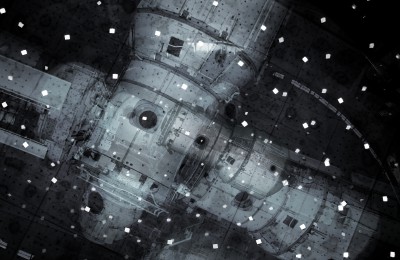
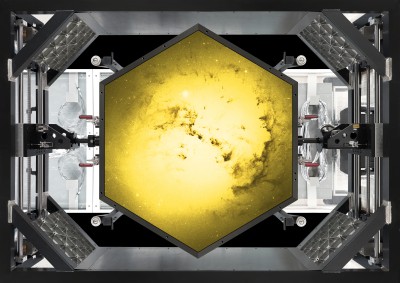
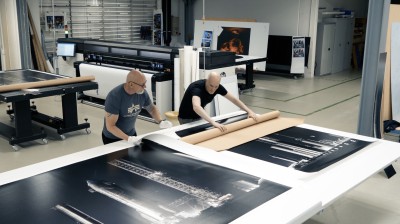
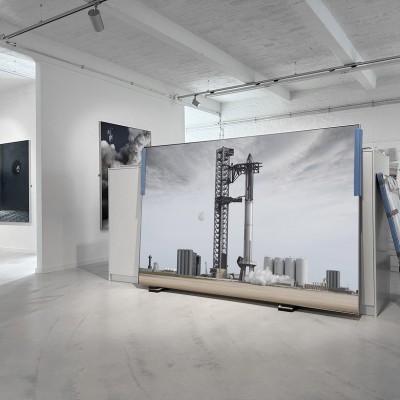
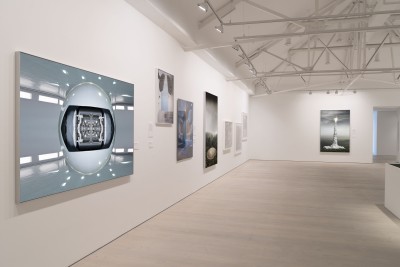
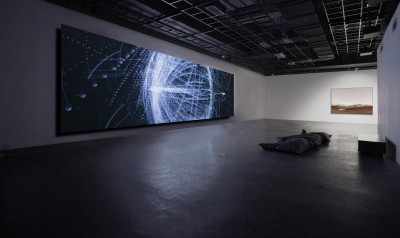
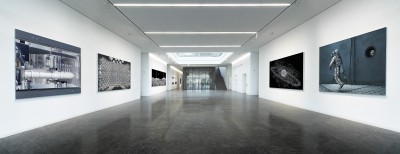
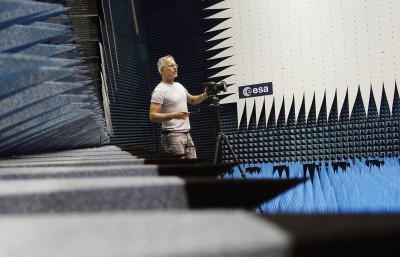
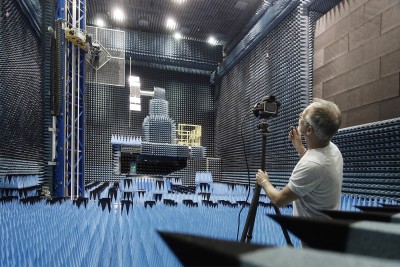
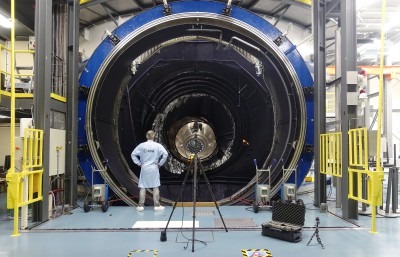
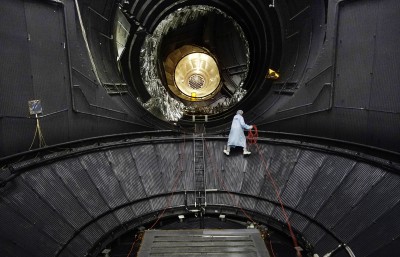
The work “PLATO II” takes up this principle and translates it into a visual structure. Its starting point is a photograph of the futuristic instrument taken by the artist during a testing phase inside a vacuum chamber. The lower part of the image shows a section of the telescope with its high-precision, ultra-sensitive cameras. The intense blue tones of their lenses create an almost immaterial sense of depth – as though windows onto cosmic space were already opening within the technological body. The photograph was subsequently digitally decomposed into its colour and brightness values and translated into layered image fragments. This element appears in the upper-left section of the composition. To its right, the photographic structure transitions into an abstract space of data and stars. Using AI-based image processing, the original photographic material, its spectral decomposition, and information about PLATO’s scientific operating principles were combined to create a new visual layer. It evokes the streams of data and signals of light from which the instrument will eventually derive knowledge about distant planetary systems. In this way, “PLATO II” connects the physical form of the space telescope with its underlying principle of discovery: fluctuations in light become data pointing towards Earth-like worlds that themselves remain invisible and unreachable. At the same time, the name PLATO creates a link to the Greek philosopher Plato and his search for knowledge and the nature of reality. The space telescope continues this search in a different form: it turns its gaze towards distant worlds and, in doing so, towards one of humanity’s oldest questions – what is our place in the universe?