liquid gravity
2013
Format 1: 132 x 202 cm / 52 x 79.5 in, edition of 6 + 2 AP
Format 2: 67 x 102 cm / 26.3 x 40.2 in, edition of 6 + 2 AP
Hybrid photography, archival pigment print, aludibond, diasec, custom-made aluminium frame
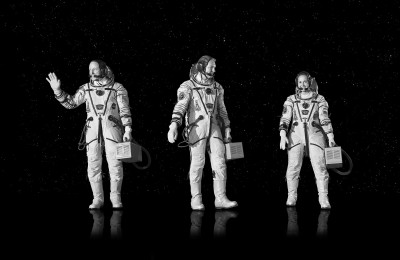
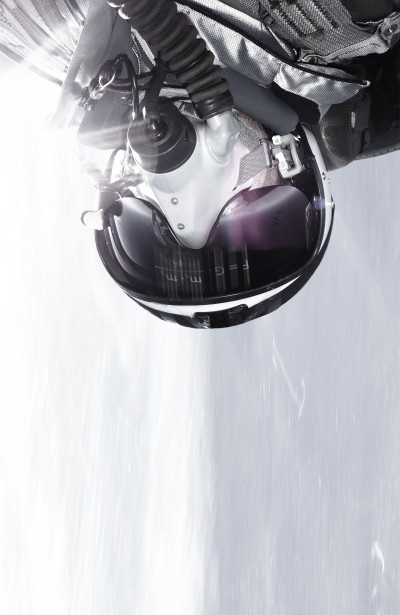
In artistic representations accompanying the history of space exploration, the astronaut appears as the central figure of a modern angelology, symbolizing humanity’s future cosmic existence and its adaptation to the vastness of space. The discovery of spatial infinity, combined with the Renaissance redefinition of the human as a self-determined, rational being, laid the spiritual and cultural foundation for the technological advancements that have led to modern space travel. Space exploration has become an essential part of our cultural identity. Just as Nicolaus Copernicus’ observation that the Earth is not at the center of our solar system revolutionized our understanding of the universe, the first spaceflights profoundly transformed both past and future perceptions of our home planet. The astronaut embodies humanity's drive for exploration and discovery, while simultaneously inspiring profound reflection on the fundamental question of our origins. The astronaut is a traveler between worlds, caught between the known and the unknown, the visible and the invisible. They exist in a constant state of suspension. Astronauts are not only space travelers but also time travelers, venturing beyond the geographical and cultural boundaries of their origins in search of new worlds. Observing current developments in space technology, it is clear that more and more people will experience spaceflight in the future – an experience that will inevitably reshape humanity’s relationship with its home planet, the "Spaceship Earth."
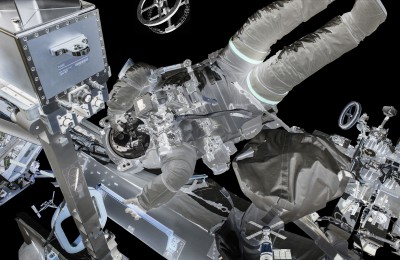
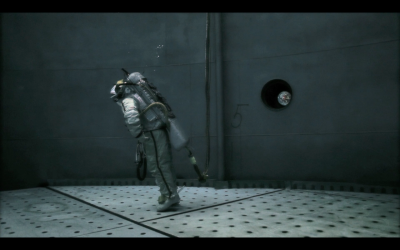
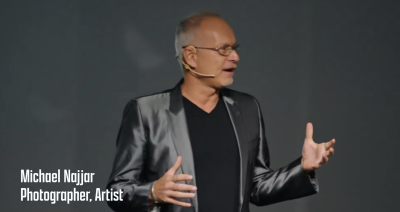
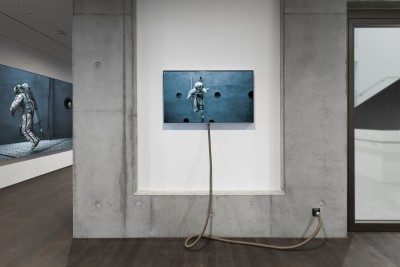
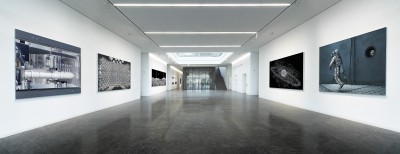
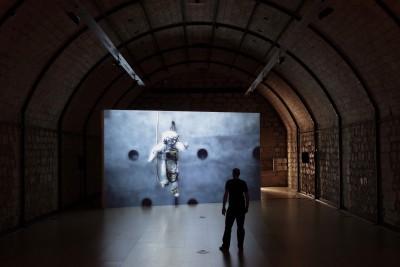
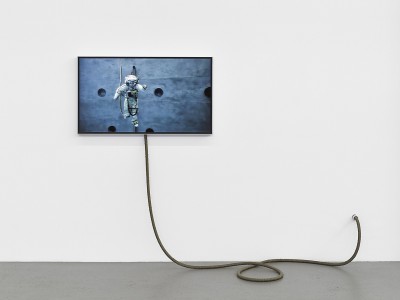
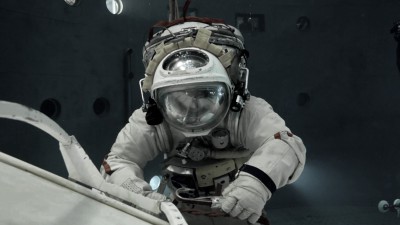
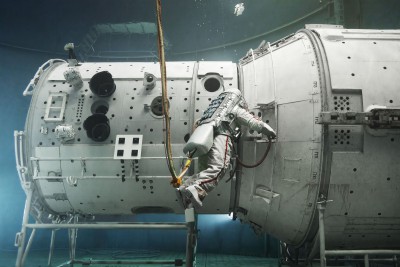
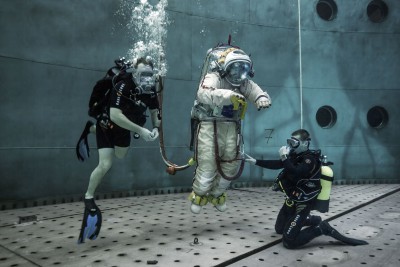
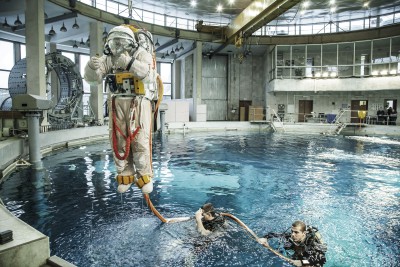
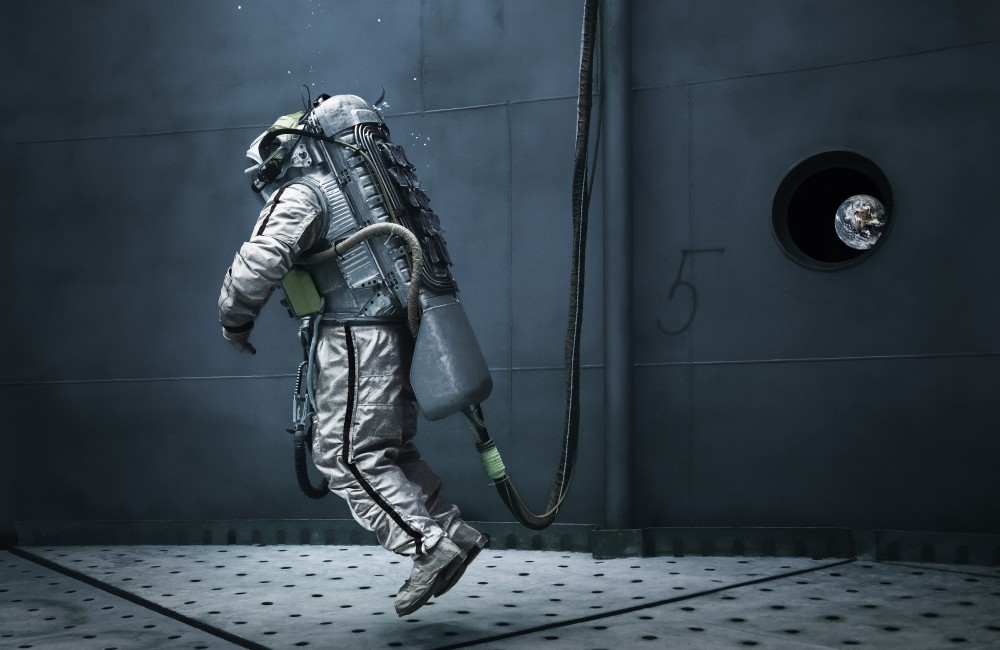
The artwork “liquid gravity” is based on an astronaut training session undertaken by Michael Najjar at the Yuri Gagarin Cosmonaut Training Center in Star City, Russia. During a two-hour spacewalk training in the world’s largest hydrolab, the artist, wearing an original Russian Orlan-M spacesuit, worked on a full-scale replica of the Russian module of the International Space Station. At a depth of 12 meters, he carried out various operational tasks in a simulated underwater microgravity environment. The astronaut figure appears to float in time and space, set against an industrial-looking backdrop. The oxygen hose connected to the backpack, combined with the fetal-like position, evokes the image of an umbilical cord. Small air bubbles rising above the head suggest the presence of a living organism within the massive protective shell. The artwork emphasizes the vulnerability of the human body, which is inherently unsuited for survival outside Earth’s protective atmosphere. Above the cryptic number “5” on the wall, the viewer’s gaze shifts through a porthole to distant Earth, suspended in the black void of space. “liquid gravity” explores the connections between space, gravity, and the human body while questioning the boundaries between real and fabricated realities.