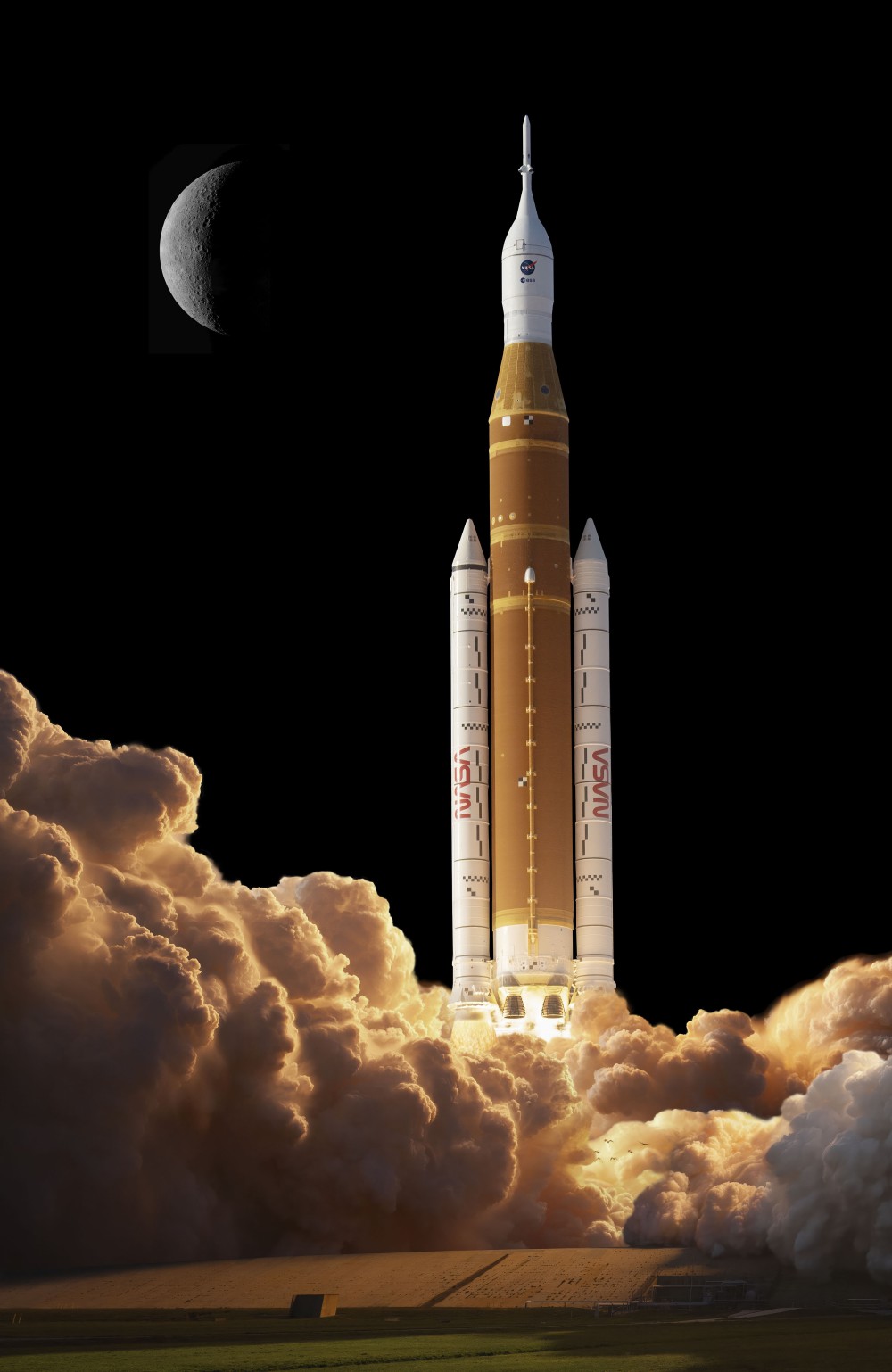
artemis II
2026
Format 1: 202 x 132 cm / 79.5 x 52 in, edition of 6 + 2 AP
Format 2: 102 x 67 cm / 40.2 x 26.3 in, edition of 6 + 2 AP
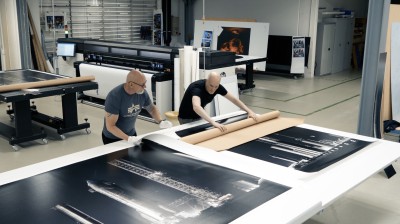
Hybrid photography, archival pigment print, aludibond, diasec, custom-made aluminium frame
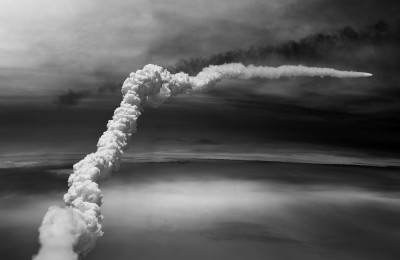
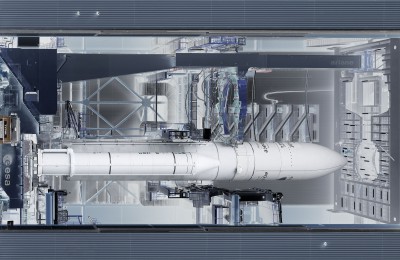
On April 1, 2026, the Artemis II mission sent a crewed spacecraft to the Moon for the first time since 1972. Aboard the Orion capsule, four astronauts – Reid Wiseman, Victor Glover, Christina Koch and Jeremy Hansen – embarked on a journey around the Moon: an event of world-historical significance. NASA's Artemis program marks the beginning of a new phase of human spaceflight beyond low Earth orbit. Its long-term objective is the establishment of an infrastructure in cislunar space and the construction of a permanently inhabited lunar base – serving as a scientific research station, technological test environment, and logistical staging point for future missions to Mars. The Artemis II mission represents a decisive milestone on this path. Central to the mission was the testing of life support systems, navigation procedures, and complex communication and operational protocols. The launch vehicle was the Space Launch System (SLS) – the most powerful heavy-lift rocket NASA has developed since the Apollo era. The rocket stands 98 meters tall; its central core stage has a diameter of 8.4 meters and is powered by four main engines derived from the Space Shuttle program. Two side-mounted solid rocket boosters, each 54 meters in length, provide the majority of thrust during the initial flight phase. At the top of the system sits the Orion capsule with its four-person crew. The launch of the Artemis II mission represents not only the resumption of crewed lunar flights, but the beginning of an infrastructural expansion of humanity into space – with the goal of establishing a permanent human presence on another celestial body.
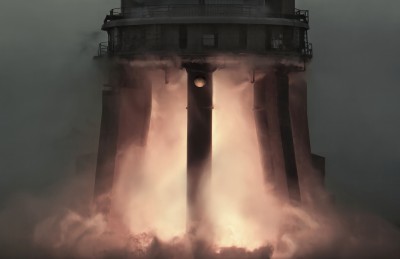
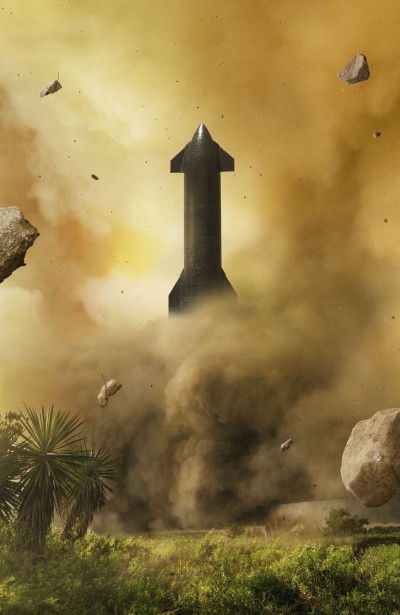
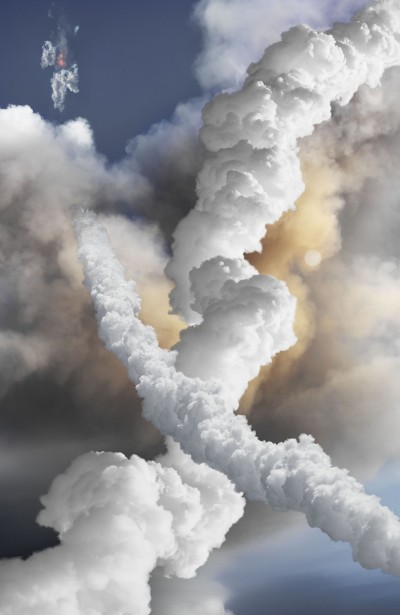
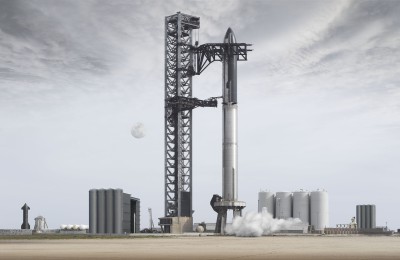
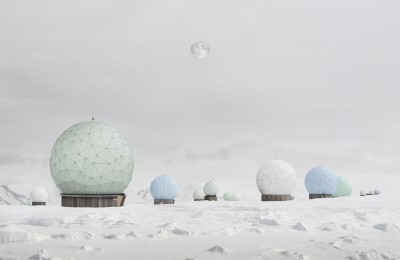
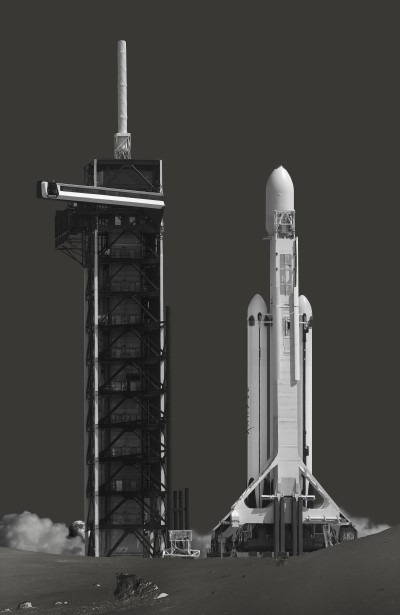
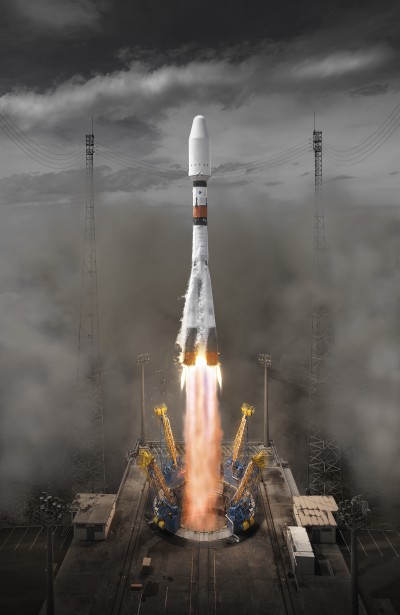
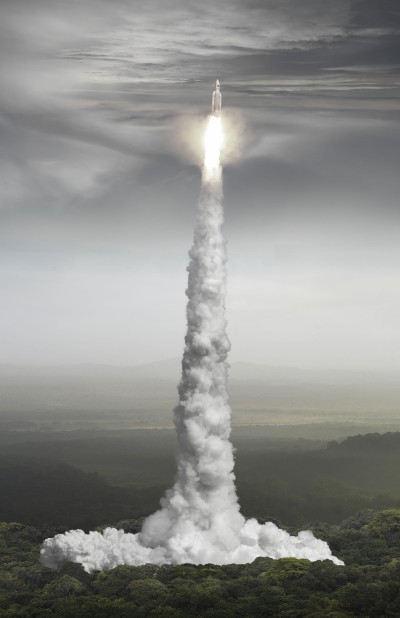
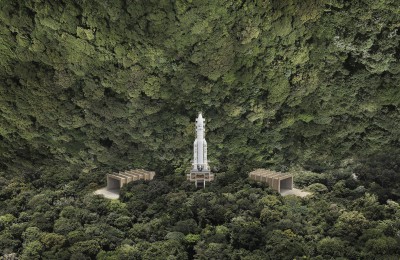
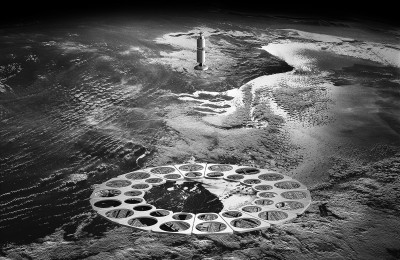
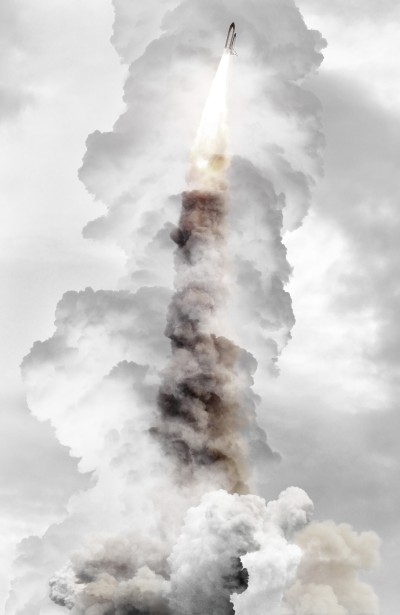
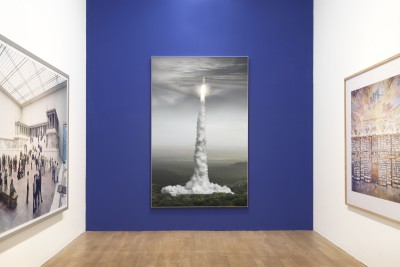
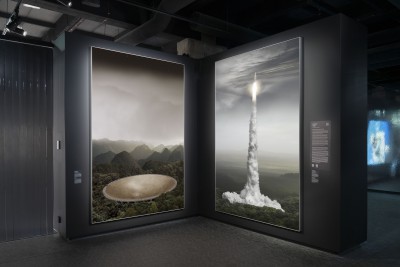
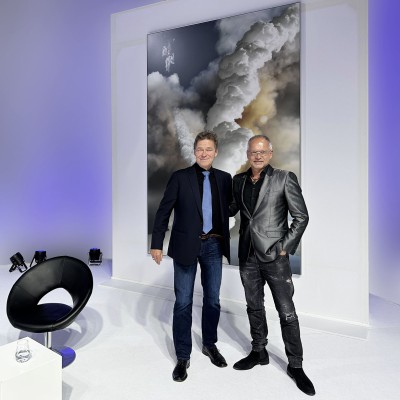
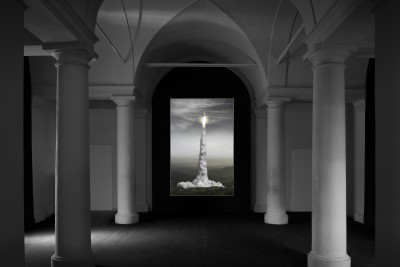
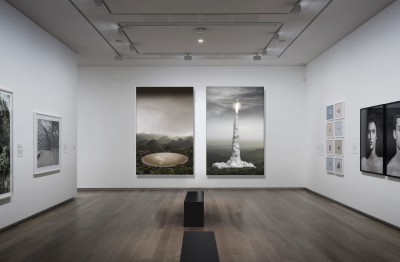
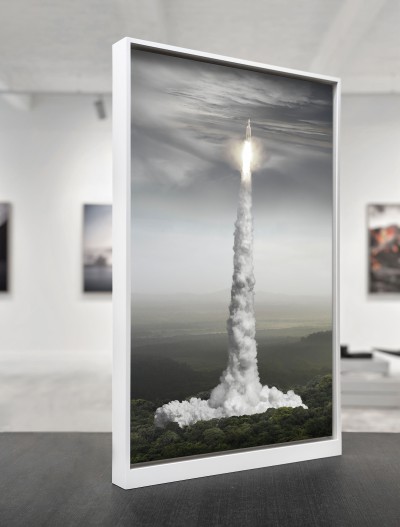
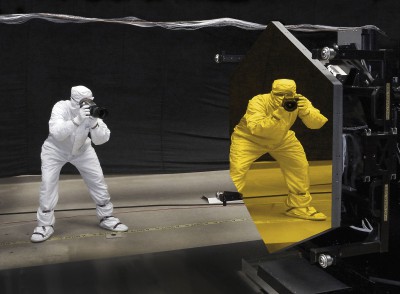
The work "artemis II" captures the moment of the SLS rocket's launch from Launch Complex 39B at the Kennedy Space Center. The composite image draws on a range of photographic and visual elements. At the center of the composition stands the three-part rocket at the moment of liftoff. In the foreground, the platform-like launch pad extends as a horizontal base across the full width of the image. The enormous thrust manifests in towering cloud formations that rise to the midpoint of the frame. Their soft, flowing forms stand in sharp contrast to the technical precision of the rocket's construction. The image presents the launch not as an isolated moment, but as a condensation of technological, physical, and temporal processes. The work's color composition is dominated by black, orange, and white. The orange-and-white coloring of the rocket continues into the billowing cloud formations below, creating a visual continuity between the technological object and the physical phenomenon it produces. The deep black background from which the rocket emerges is not to be read as empty space, but as a space of meaning. The mission's destination – the Moon – is clearly present in the upper left corner of the image: a photograph taken during the passage around the lunar far side. At that moment, the four astronauts were farther from Earth than any human being had ever been. The Artemis II mission marks a turning point in the history of spaceflight – laying the foundation for the gradual opening of the Moon and the beginning of crewed missions into interplanetary space.